Soil Nutrient Analysis Laboratory
About Us
The University of Connecticut Soil Nutrient Analysis Laboratory (SNAL) provides soil and plant nutrient testing and practical, research-based recommendations for farms, landscapes, lawns, and gardens through a close partnership with UConn Extension. SNAL is housed within UConn’s George Leigh Minor Plant and Soil Health Center and is part of UConn’s College of Agriculture, Health and Natural Resources (CAHNR).
Each year, we process about 14,000 samples and provide clear, science-based lime and fertilizer recommendations grounded in University research and field experience. We serve homeowners, farmers, commercial and greenhouse growers, landscapers, turf professionals, consultants, and researchers, with a focus on decision-ready results.
Our core services include soil fertility testing, greenhouse media testing, and plant tissue analysis. We are also expanding options such as Total Sorbed Metals (environmental soil testing) and compost testing.
Mission and Goals
SNAL’s mission is to deliver accurate, practical soil and plant nutrient testing that helps people make better decisions about liming and fertilizing, protects water quality, and supports long-term soil health.
To fulfill that mission, we focus on three connected goals:
First, we provide an affordable, reliable way for agricultural producers, greenhouse growers, landscapers, and homeowners to evaluate soil fertility and receive environmentally sound limestone and fertilizer recommendations tailored to the crop or use they select.
Second, we support education and outreach through UConn Extension. Through our testing services, reporting, and public programs, we help clients and communities understand wise soil management and fertility practices.
Third, we serve the University and the broader scientific community by analyzing research samples for UConn faculty, graduate students, and external partners, and by supporting teaching in the Department of Plant Science courses. Our testing methods and recommendations are strengthened through ongoing partnerships with UConn faculty and external researchers to ensure they remain relevant, science-based, and responsive to emerging needs.
We achieve these goals by using standardized laboratory procedures and appropriate instruments for each analysis, delivering clear research-based recommendations, and maintaining data quality through routine checks and external proficiency programs, including participation in the National Association for Proficiency Testing (NAPT) and the Agriculture Laboratory Proficiency (ALP) program.
Methods and Equipment
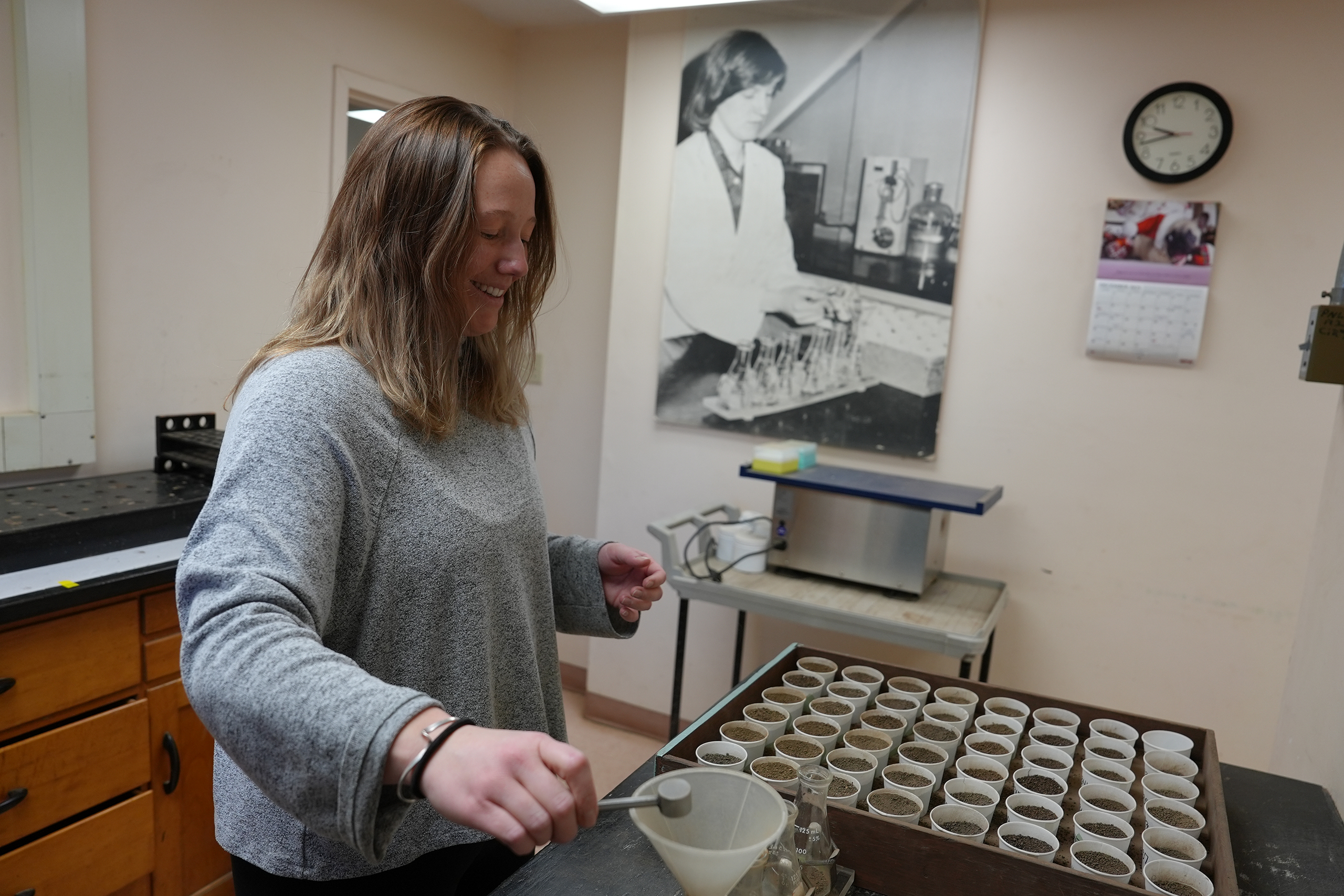
All analyses follow a common workflow: samples are received, logged, prepared, analyzed using the appropriate method/instrument, and reviewed for quality before results are reported.
SNAL supports analytical quality through routine internal checks and participation in external proficiency testing programs, including the North American Proficiency Testing (NAPT) Program and the Agriculture Laboratory Proficiency (ALP) Program.
Our soil fertility test follows procedures outlined in the Recommended Soil Testing Procedures for the Northeastern United States, prepared in our collaboration with the Agricultural Experiment Stations of Delaware, Maine, Maryland, Massachusetts, New Hampshire, New Jersey, New York, Pennsylvania, Rhode Island, Vermont, and West Virginia.
View publication: Recommended Soil Testing Procedures for the Northeastern United States
Soil fertility testing methods
Below are the core soil parameters and the analytical methods used.
Soil pH
- pH measured in water (standard approach for routine soil fertility).
Lime requirement
- Lime requirement estimated using a buffer method (Mehlich buffer) to support limestone recommendations.
Plant-available nutrients
- Extractable P, K, Ca, and Mg measured using Modified Morgan extraction with elemental quantification by ICP (ICP-OES).
- Plant available P is analyzed for orthophosphate using the colorimetric method
Micronutrients
- Routine micronutrient reporting is supported through the same Modified Morgan extract-and-measure framework used for fertility testing (ICP-based quantification where appropriate).
Cation Exchange Capacity
- CEC by summation (a standard calculation approach based on measured exchangeable bases and related parameters) from Modified Morgan extract.
Organic matter
- Organic matter by Loss on Ignition (LOI).
Soil texture (particle size)
- Hydrometer method for percent sand/silt/clay and textural class.
Nitrogen forms
- Nitrate-N: cadmium reduction method
- Ammonium-N: diffusion conductivity approach
- Total N: combustion (instrument-based)
Total carbon
- Total C by combustion (instrument-based)
Soluble salts
- Electrical conductivity via 1:2 extraction (EC measurement)
Greenhouse / soilless media testing methods
Saturated Media Extract (SME)
- Greenhouse media is evaluated using the Saturated Media Extract method (SME), using deionized water. Analyzed for pH, soluble salts, calcium, magnesium, potassium, phosphorus, copper, zinc, iron, manganese, boron, molybdenum, nitrate‐nitrogen, and ammonium nitrogen.
Environmental Soil Testing: Total Sorbed Metals
Soil samples are digested using EPA Method 3050B and metals are quantified by EPA Method 6010 (ICP-based elemental analysis).
Compost Testing
Compost is evaluated using core chemical and physical indicators commonly used to assess compost quality and readiness for use. SNAL compost testing follows procedures from the U.S. Compost Council’s Test Methods for the Examination of Composting and Composts (TMECC).
Lab Equipment
Our analytical work is supported by dedicated instrumentation including:
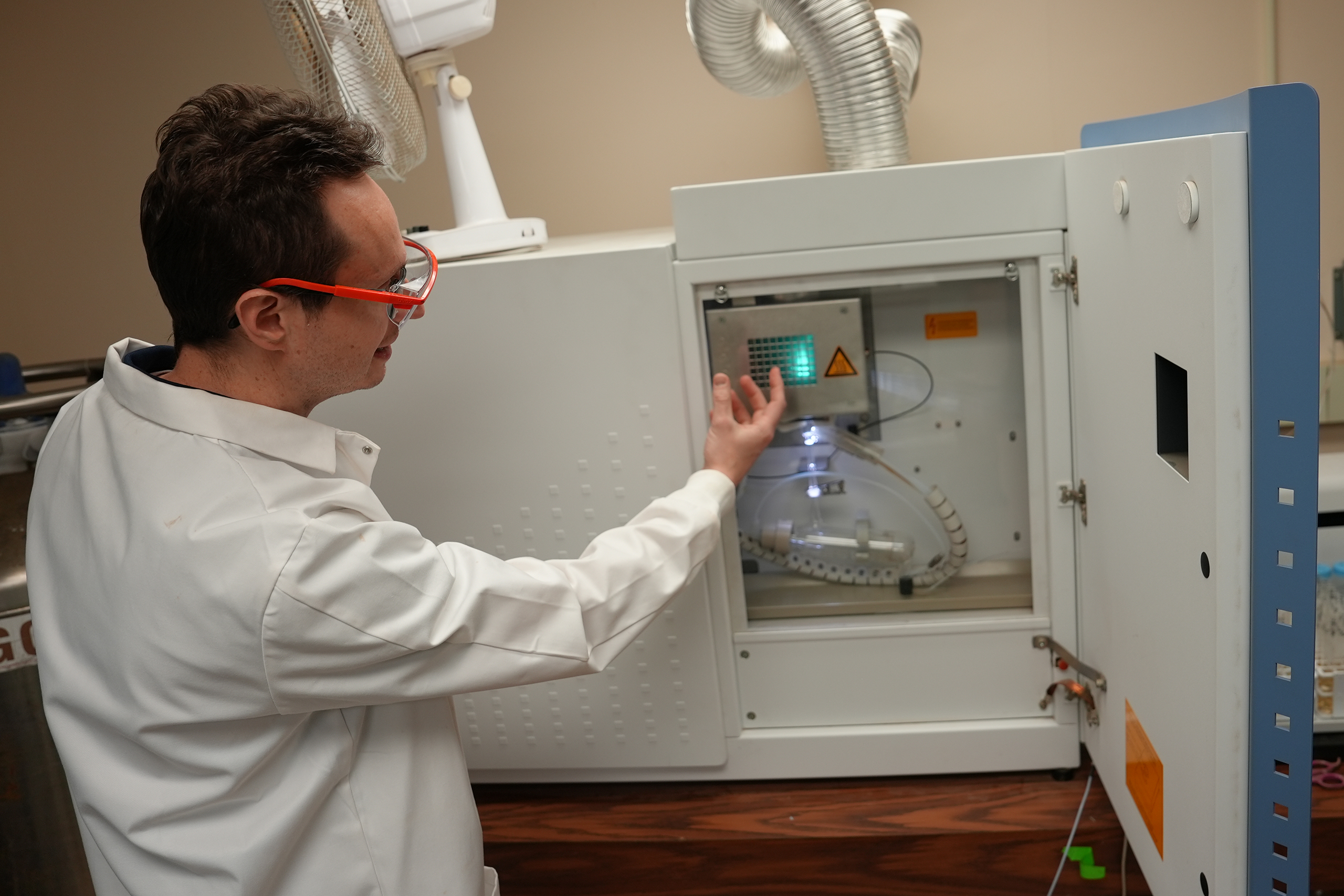
- Ametek Spectro Genesis Inductively Coupled Plasma – Optical Emission Spectroscopy (ICP-OES)
- Skalar BluVision Discrete Analyzer
- Timberline Model TL-2900 Ammonium/Nitrate Analyzer
- Elementar Vario Macro Cube CHNOS Combustion Analyzer
- Millipore Direct Q3 Ultrapure Water System
Miscellaneous equipment including pH and EC meters, dispensers, balances, drying ovens, muffle furnaces, grinders, shakers, sieves, etc.
Staff
SNAL is housed in UConn Extension and works closely with campus and Extension partners to support soil and plant health across Connecticut.
Avishesh Neupane, PhD
Assistant Extension Professor, Director
Email: dpj25003@uconn.edu
Patrick McIntosh
Laboratory Technician 2
Email: patrick.mcintosh@uconn.edu
Louise Carroll
Research Technician
Email: louise.carroll@uconn.edu
Frequently Asked Questions
Getting started with soil testing
Why should I have my soil tested?
Soil testing provides homeowners and growers with practical guidelines for using fertilizers, limestone, and other soil amendments in a way that supports plant health and protects the environment. Different plants grow best at different pH and nutrient levels. A lab test shows where your soil stands so you can adjust it appropriately, rather than guessing.
The cost of a soil test is small compared to what most people already invest in plants, soil amendments, and their own time. Our Standard Nutrient Analysis measures soil pH, key nutrients, and an estimate of total soil lead, and it includes lime and fertilizer recommendations based on university research and field studies.
Soil tests can detect nutrient deficiencies, excesses, and imbalances. They cannot, however, identify problems caused by diseases, insect pests, pesticides, or poor cultural practices.
Who can benefit from soil testing?
Soil testing is useful for anyone who makes decisions about soil amendments, including:
- Homeowners and home gardeners
- Farmers and agronomic growers
- Orchard and small fruit growers
- Vegetable and specialty crop growers
- Greenhouse and nursery operations
- Lawn care and landscape companies
- Construction and site-prep contractors working with disturbed soils
- Grounds and facilities managers for schools, parks, campuses, golf courses, and sports fields
Regular soil testing helps these users fine-tune fertility programs, manage soil pH, avoid over-application of nutrients such as phosphorus, and track long-term changes in soil health.
What tests are available at SNAL?
The Soil Nutrient Analysis Laboratory offers a range of soil, media, and plant tissue tests, from basic pH checks to full nutrient and metals panels. A complete, up-to-date list of services and fees is available on the Tests and Pricing section of the SNAL/PSHC website. Below is a brief summary of our most commonly used tests:
- Standard Soil Nutrient Analysis
Main test for most situations; measures soil pH, key macro- and micronutrients, and estimates total soil lead, with lime and fertilizer recommendations. - Soil pH Only
Quick check of soil pH with a lime or sulfur recommendation if an adjustment is needed. - Soil Organic Matter
Estimates percent organic matter (by loss-on-ignition) to help track soil health over time. - Soil Textural Analysis
Determines the percentages of sand, silt, and clay and assigns a USDA texture class (for example, loam, sandy loam, clay loam). - Soluble Salts (soil)
Measures total soluble salts by electrical conductivity and indicates whether levels are low, slightly saline, moderately saline, or high for mineral soils. - Seasonal Nitrogen Tests (soil and corn stalk)
Includes the Pre-Sidedress Soil Nitrate Test (PSNT) during the growing season and the end-of-season cornstalk nitrate test for corn, to fine-tune nitrogen management. - Soil Total Sorbed Metals
Measures total sorbed concentrations of selected metals (such as Cd, Cu, Pb, Ni, Cr, Zn, As, Mo, and Se) using a strong acid digestion and ICP-OES detection for sites where metal contamination is a concern. - Plant Tissue Nutrient Analysis
Measures nutrient levels inside leaves or other plant tissues and compares them to crop-specific sufficiency ranges to identify deficiencies or excesses and refine fertilizer programs. - Saturated Media Analysis (soilless media)
For potting mixes and other soilless substrates; provides pH, soluble salts, nitrate and ammonium nitrogen, and macro- and micronutrients to guide greenhouse and container fertility. - Compost Analysis
Characterizes compost as a soil amendment, including moisture, organic matter, pH, salts, and available nutrients, and can include basic maturity/stability indicators to assess suitability and application rates.
When and how often should I test my soil?
You can collect soil samples whenever the ground is not frozen and the soil is not excessively wet. Many people sample in the spring just before planting, but fall is often an excellent time, especially when you suspect a pH issue. Applying lime, sulfur, or slow-release organic nutrient sources in the fall allows more time for them to react in the soil before the next growing season.
In most situations, testing every three years is sufficient to monitor soil pH and nutrient trends. If your first test indicates that a major correction is needed (for example, very low pH or very low nutrient levels), it is wise to retest about a year after you apply amendments or fertilizer to see whether conditions have moved toward the target range.
Intensively managed systems, such as greenhouses, high tunnels, or golf greens, may need more frequent testing to manage rapid changes in media and soluble salts.
What is plant tissue nutrient analysis, and when is it useful?
Plant tissue nutrient analysis measures the actual nutrient levels inside plant leaves or other tissues at a given point in time. It is most useful when plants look stressed or are not performing as expected and you want to know whether the problem is related to nutrition.
Tissue testing is especially helpful for:
- High-value crops (fruits, vegetables, ornamentals, turf)
- Perennial crops (small fruits, tree fruit, grapes) where leaf standards exist
- Situations where soil tests show adequate nutrients but plants still show deficiency symptoms
By comparing your tissue results to established “sufficiency ranges” for that crop and growth stage, the lab can indicate which nutrients are low, adequate, or high and suggest fertilizer or management adjustments.
How to submit samples to SNAL
How do I collect and send a soil sample?
You can use a SNAL soil test kit or your own clean tools and containers. Detailed sampling depths and examples are provided in the SNAL soil sampling fact sheet and on the lab’s website; the basic steps are:
- Collect a representative sample
- Use a clean soil probe, trowel, or shovel.
- Take at least 10 subsamples from the area of interest (more for larger or very variable areas). Sample to the recommended depth for your situation (for example, lawn, garden, or field). Avoid recent fertilizer bands, manure piles, and obviously unusual spots unless you sample those separately.
- Break up large clods and remove stones and large pieces of organic debris, and combine the subsamples in a clean plastic bucket and mix thoroughly.
- Place about 1 cup of the mixed soil in a clean, sturdy, labeled bag (zip-top or the bag provided in a soil test kit). 2 cups may be needed for additional tests.
- Choose the questionnaire/submission form that matches your situation (home grounds/landscape, agronomic, or commercial).
- Fill in the sample name(s), crops or plants, field or bed identifiers, and any requested management history.
- Place the labeled sample bag(s) and completed form(s) together in a box or padded envelope, along with the payment (check, money order, or online payment).
- Follow the current instructions on the form for shipping and drop-off locations through the Plant & Soil Health Center.
What is a soil test collection kit (mailer)?
A soil test collection kit, sometimes called a soil test mailer, is a convenient package prepared by SNAL that contains everything needed for one soil sample. A typical kit includes:
- A soil test questionnaire
- Step-by-step sampling instructions
- A labeled plastic bag for one soil sample
- A pre-addressed mailing envelope or label for returning the sample to the lab
The kit fee covers the Standard Nutrient Analysis. Postage to mail the sample back to the lab is not included, so you will need to add the appropriate postage.
Kits are available at the Soil Nutrient Analysis Laboratory, the Home & Garden Office, and selected Extension and garden center locations as listed on the SNAL website.
How should I collect plant tissue sample for nutrient analysis
For most crops, you should sample the “most recently mature” leaves from plants that represent the problem area or the field as a whole. Avoid leaves that are dirty, diseased, or heavily insect-damaged unless you are specifically asked to target symptomatic tissue.
For crop-specific instructions, including which plant part and growth stage to sample, please see the Plant Tissue Analysis Collection and Sampling Guidelines section of the PSHC/SNAL website. Those guidelines explain:
- Which plant part to collect (for example, whole leaves, petioles, or a specific growth stage)
- How many leaves or plants to sample
- How to handle and package the tissue for shipping
If you are unsure of how to sample, please contact the lab for guidance before submitting samples.
Which questionnaire/Submission Form should I use?
For links to all current forms, visit the Sampling Instructions & Forms page on the SNAL/PSHC website. To get accurate and useful recommendations, it is important to choose the questionnaire that matches how your land is used. The main options are:
- Home Grounds / Landscape
For homeowners, gardeners, lawn care companies, landscapers, contractors, and landscape architects. This form covers lawns, vegetables, flowers, shrubs, trees, groundcovers, and small fruits. Recommendations are usually given per 1,000 (or 100) square feet. - Agronomic Growers
For fields producing feed or forage, such as silage corn, hay, small grains, wildlife plots, warm-season grasses, and pasture. This form asks about manure history, field size, and yield goals, and recommendations are given on a per-acre basis. - Commercial Growers
For crops grown for sale or human use, including fruits, vegetables, field-grown cut flowers, and Christmas trees. These forms request more detailed information so that SNAL and Extension specialists can provide site-specific recommendations. Field crop recommendations are usually per acre. - Other Miscellaneous forms
Additional questionnaires for the compost test, the total sorbed metal test, and plant tissue analysis are available on the website.
If you are unsure which form best fits your situation, choose the closest match and add a brief note, or contact the lab for guidance before submitting samples.
Special cases, contaminants, and cross-lab comparisons
Do you test soils from outside Connecticut or outside the United States?
Yes, with some important limitations:
- Samples from outside Connecticut (within the U.S.)
The lab accepts soil samples from other U.S. states. However, fertilizer and lime recommendations are calibrated for New England soils and growing conditions. If you are outside New England, your local Cooperative Extension office can help you decide how best to use the results and whether local adjustments are needed. - Samples from certain U.S. counties under quarantine
For soils from counties subject to federal invasive pest quarantines, additional documentation and handling requirements may apply, and an extra disposal fee may be charged. Clients should consult current USDA quarantine information before shipping. The USDA APHIS website lists all counties quarantined for soil movement. - Samples from outside the United States
The lab cannot accept soil samples from outside the United States. Federal regulations prohibit the import of foreign soil, whether mailed or hand-carried. Please do not send or bring foreign soil to the laboratory.
Can SNAL test water or soil contaminants?
SNAL does not test water. SNAL can test for some metals, but it is not a full environmental testing laboratory.
- As part of the Standard Nutrient Analysis, the lab routinely estimates total soil lead and reports available copper and zinc. These measurements can flag potential metal concerns for plants or people.
- SNAL offers a total sorbed heavy metals test for soil. This analysis measures total sorbed cadmium (Cd), copper (Cu), lead (Pb), nickel (Ni), chromium (Cr), zinc (Zn), arsenic (As), and molybdenum (Mo) using EPA Method 3050B digestion with metals detection by EPA Method 6010.
For more detailed testing of organic contaminants such as pesticides, petroleum products, or PCBs, you will need to work with a certified environmental testing laboratory. The State of Connecticut maintains lists of certified laboratories on the Department of Public Health website and other state resources.
Why are my results different from a home test kit or another lab?
Soil testing laboratories use different extractants and methods to estimate plant-available nutrients. As a result, the numbers reported by different labs, or by home test kits, often do not match even when they are analyzing the same soil.
At SNAL, most routine soil tests use the Modified Morgan extractant, which has been calibrated for soils in the northeastern United States using decades of field research. Other laboratories may use Mehlich, Bray, Olsen, or other extractants, each of which removes different amounts of nutrients from the soil. Home test kits generally rely on simple color reactions and are less precise.
What matters most is the interpretation and recommendations, not the exact numerical values. Categories such as below optimum, optimum, and above optimum, along with the resulting fertilizer and lime recommendations, should be broadly similar across reputable labs that serve a given region. If your soil is from outside New England, your local Cooperative Extension office can help you select a laboratory and interpretation system that are appropriate for your area.